The Siemens Community Catalyst program was co-created with our community to acknowledge technology leaders who consistently contribute to the Siemens Community. Nominations are accepted on a rolling basis.
Hi ,
I am working on simsolid transient analysis, i done same simulation using ansys by using transient structural(no modal input), can i run same in simsolid? and how to apply the moment (time vs moment)?
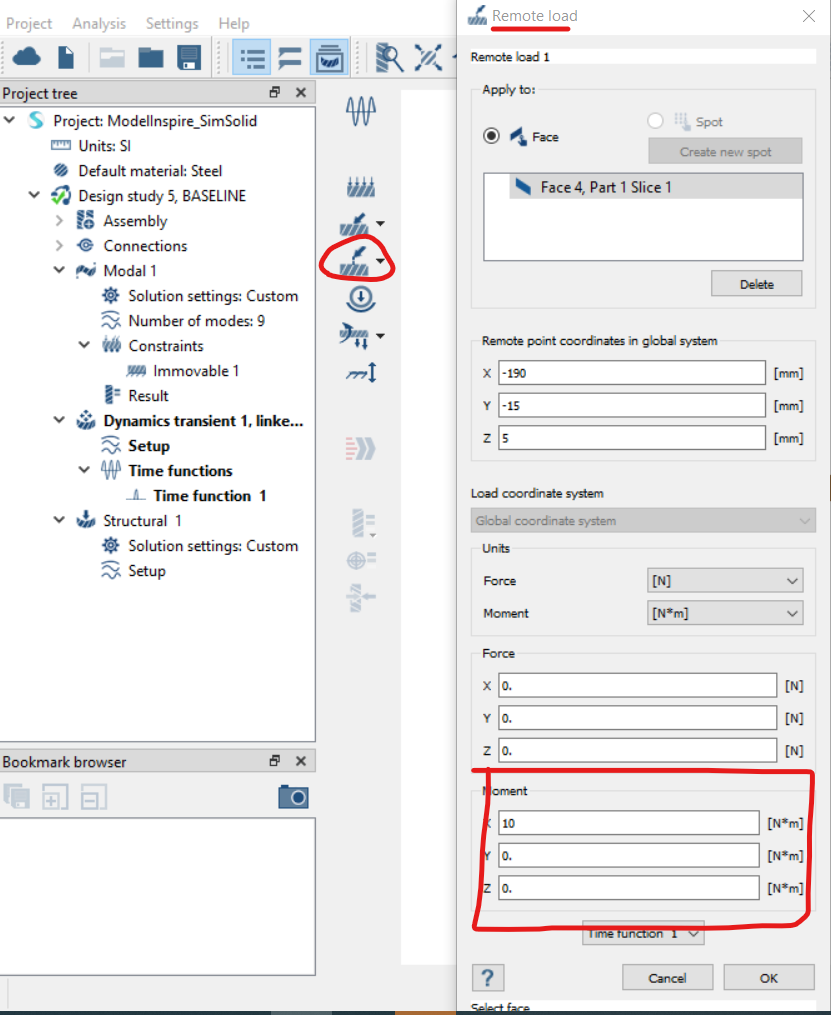
The amplitude on the time function will be the multiplier for your moment.
Hi,
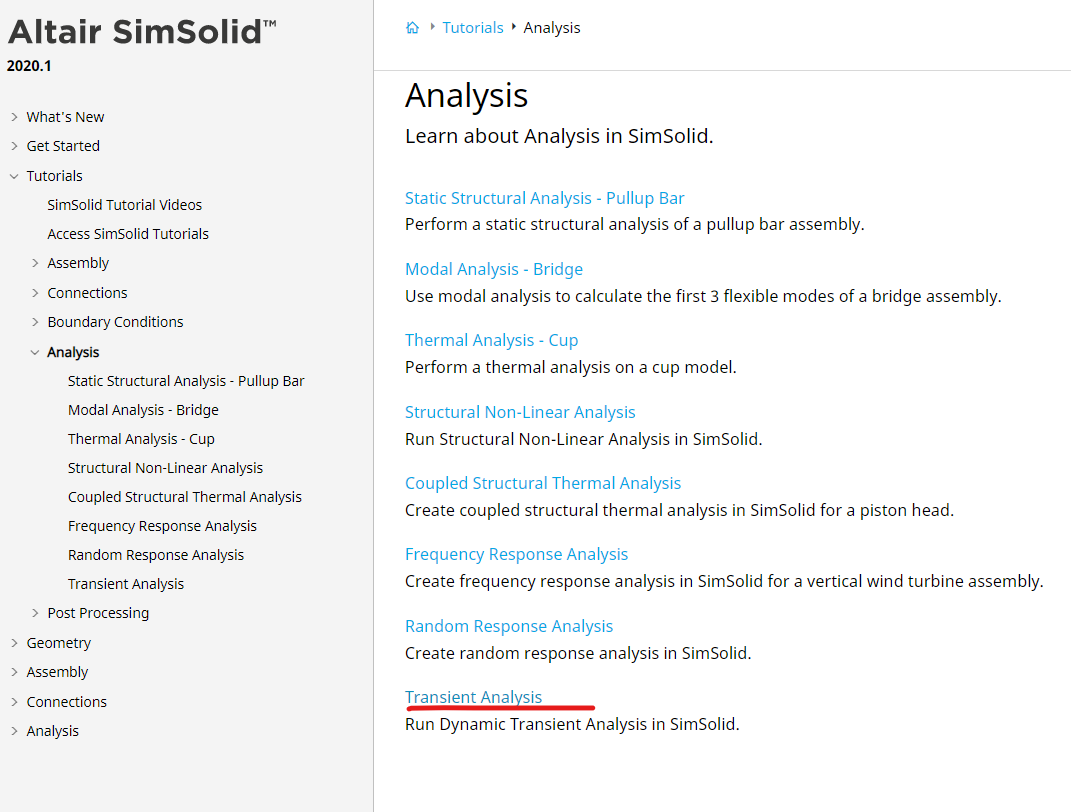
You will need to build a modal analysis first and then transient.
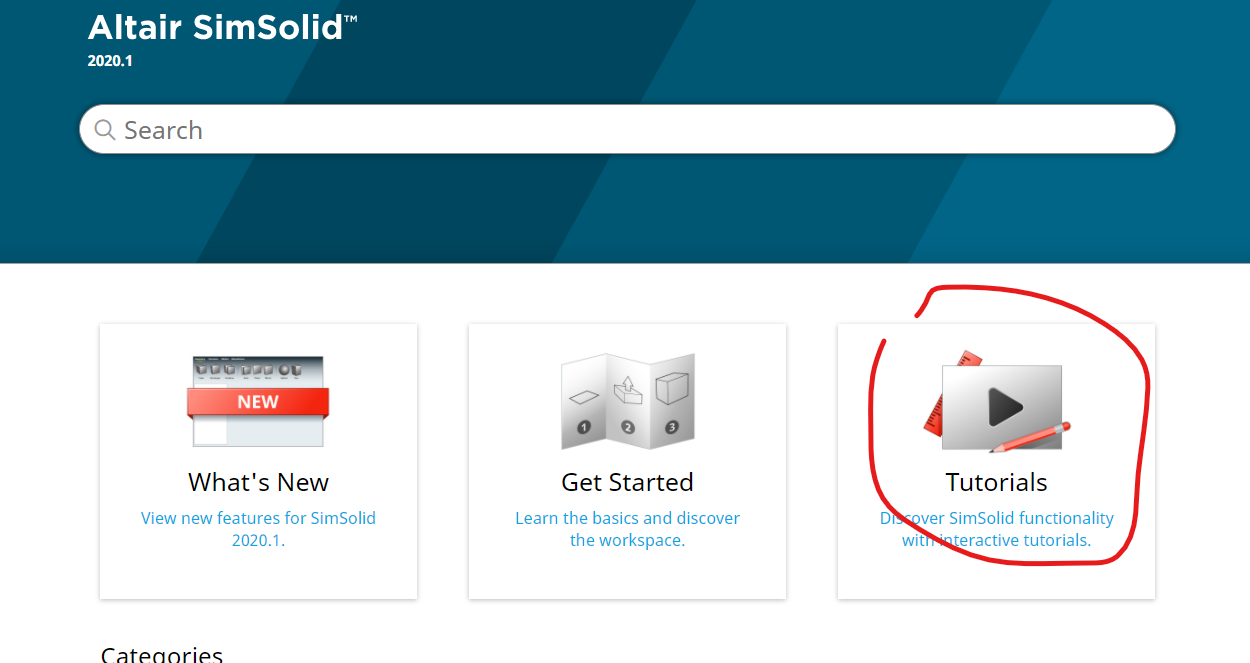
please take a look at SimSolid Help page and tutorials:
Hi, You will need to build a modal analysis first and then transient. please take a look at SimSolid Help page and tutorials:
Thanks,
How to give time vs moment (N-mm) in Simsolid for transient case
Thanks, How to give time vs moment (N-mm) in Simsolid for transient case
Thanks for your information,
I have Time vs moment (rotation torque) data, how to give in above window , it has only one row,
Time N-mm
0.1 2300
0.15 2356
0.2 3234
---
1sec 8000
and i dont have time function , is it mandatory to give?
Thanks for your information, I have Time vs moment (rotation torque) data, how to give in above window , it has only one row, Time N-mm 0.1 2300 0.15 2356 0.2 3234 --- --- 1sec 8000 and i dont have time function , is it mandatory to give?
you need a time history, just like the tutorial mentioned in the first reply.
How to give time vs moment as mentioned above?
Thanks, How to give time vs moment as mentioned above?
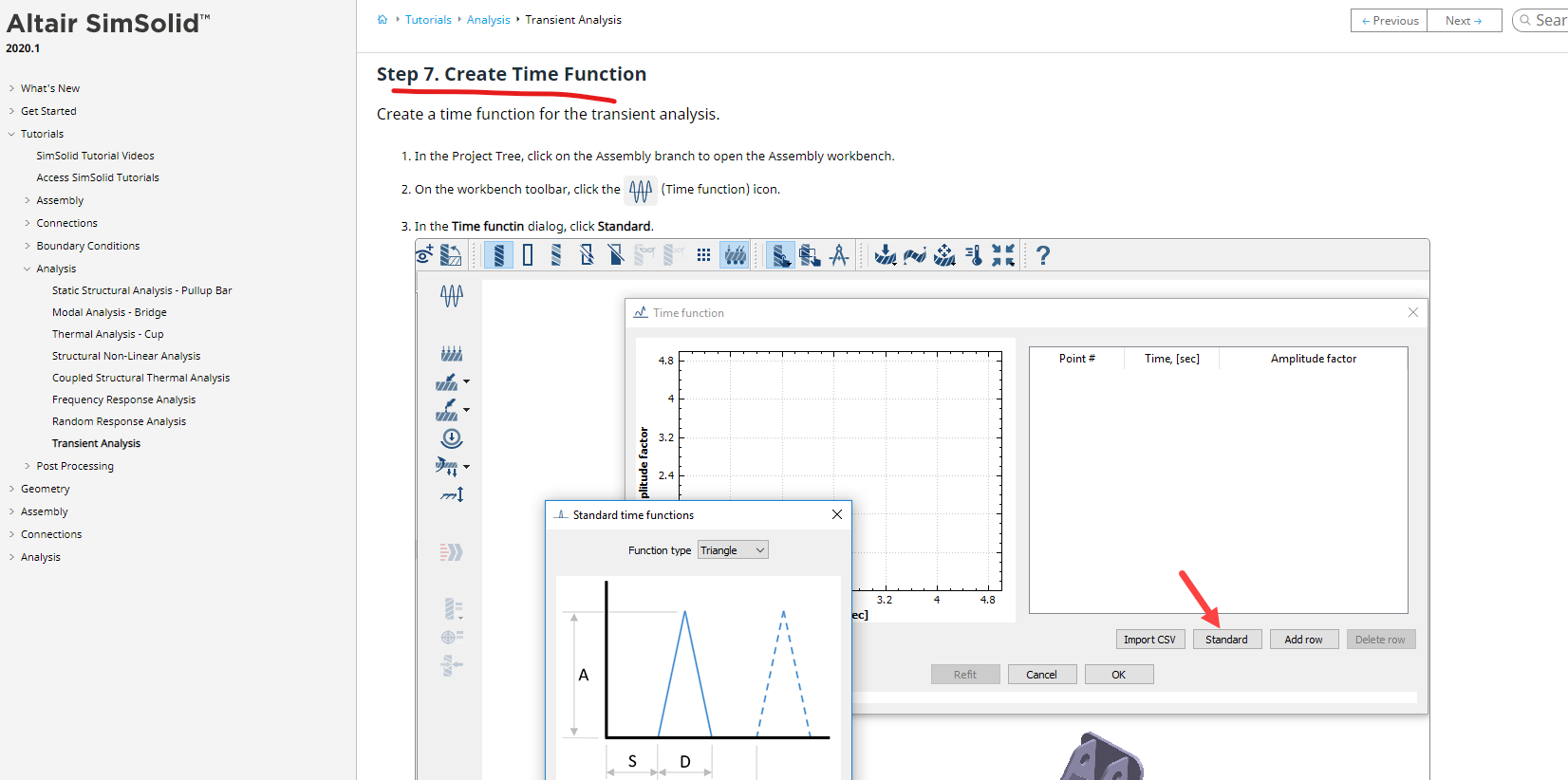
The step 7 of the tutorial shows how to create a time function.
the only difference in your case, is that you can enter manually your points or import a CSV file.
Yes , i will enter the time function manually but if i give moment how it will work in simsolid,
If my time function is
0.1sec, 2000N-mm
0.2sec,3000N-mm
0.3sec,5000N-mm
and moment is 1 in z direction means, Moment is multiplication factor for time function?
Join us for a community conversation on how High-Performance Computing (HPC) and Simcenter PSIM work together to meet the increasing demands of modern power electronics simulation. During this one-hour technical session, you'll discover how leveraging HPC can speed up simulations, improve scalability, and empower engineers…
Join us for a community conversation on accelerating your motor simulation workflow with Simcenter Simlab. In this beginner-friendly session, we'll introduce the platform's automated model-building capabilities and show how easy it is to set up your first electric motor analysis. You'll see the basic steps of geometry…
Join us for a Community Conversation where we'll discuss practical approaches to analyzing complex electromagnetic models using hybrid solver techniques. This session will provide a general overview of how different computational methods can be combined within a single simulation to address models containing varied…